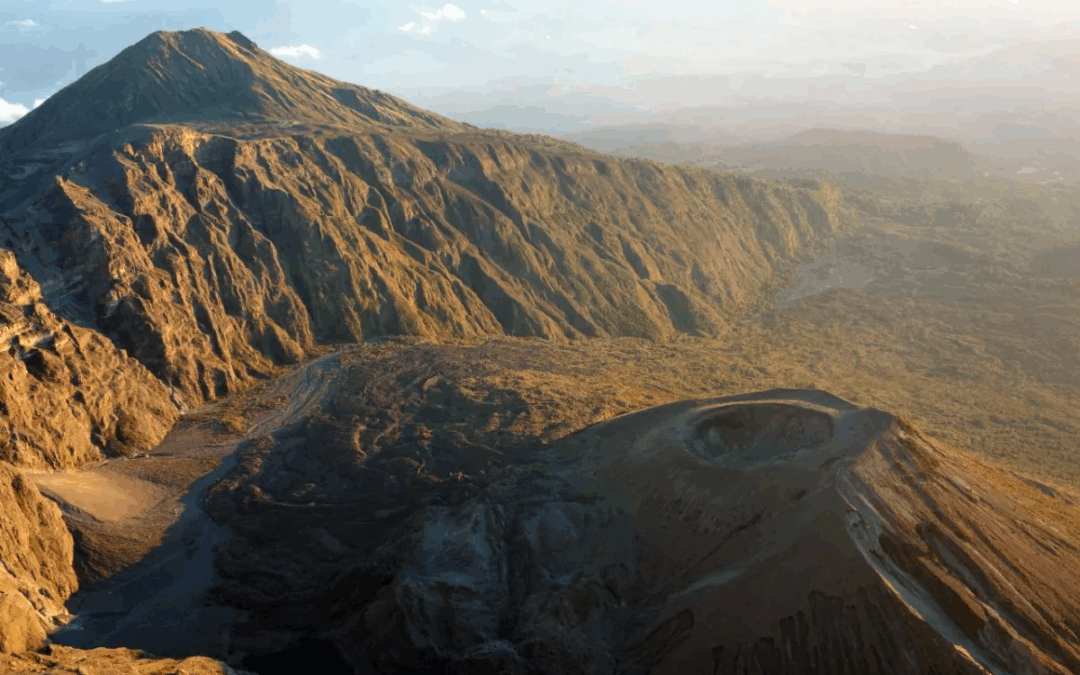
Mount Kilimanjaro — the sleeping giant that gave Tanzania its fertile volcanic soil.
Have you ever wondered why herbs, fruits, and sea moss from East Africa seem to carry more strength and flavor?
The secret isn’t magic — it’s the soil.
Tanzania’s land was born from fire. When Mount Meru and Mount Kilimanjaro erupted thousands of years ago, they didn’t just create mountains — they created life. Their ashes, minerals, and lava spread across the region, turning once-barren ground into rich, dark earth. That same volcanic soil now feeds some of the world’s most nutrient-dense plants — the ones that power Amani Botanicals today.
The Story Begins with Fire and Mountains
Mount Meru, the quiet volcano whose fertile slopes grow Tanzania’s healthiest crops.
Millions of years ago, deep inside the Earth, molten rock pushed upward through a great crack in Africa’s crust — the East African Rift. From that rift rose two towering volcanoes: Mount Kilimanjaro and Mount Meru.
Kilimanjaro, Africa’s tallest peak, built itself cone by cone through layers of lava, ash, and rock. Mount Meru followed with powerful eruptions that shaped the land around Arusha. Roughly 7,800 years ago, part of Meru’s top even exploded, leaving behind a giant crater and scattering nutrient-rich ash across the valleys below.
That ancient ash became the base of something extraordinary — soil so full of life that it still sustains the people and plants of northern Tanzania today.
(🔗 Learn more about volcanic soil formation on National Geographic)
From Lava to Life — How Volcanic Soil Forms
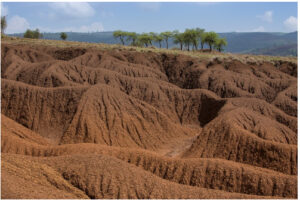
Volcanic soil teems with minerals that help plants grow strong and nutrient-rich.
When a volcano erupts, it releases molten lava, ash, and gases. Over time, those materials cool, break down, and mix with fallen leaves, rainwater, and tiny organisms. That’s how volcanic soil — or andisol — forms.
Volcanic soil is special because it’s:
-
Rich in minerals: potassium, magnesium, calcium, phosphorus, and trace elements.
-
Moisture-retaining: it holds water like a sponge.
-
Alive: full of microbes that make nutrients easy for roots to absorb.
This natural blend gives Tanzania’s farmers a priceless gift — soil that doesn’t just grow plants, but feeds them deeply. That’s why the slopes of Arusha, Moshi, and Kilimanjaro produce world-class coffee, bananas, avocados, and healing herbs.
(🔗 See geological details from Smithsonian Volcano Observatory)
Why Tanzania’s Soil Makes Plants More Nutrient-Dense
Plants are what they eat — and their diet comes from the soil. In Tanzania’s volcanic earth, every handful contains minerals that most modern farmland has lost. When plants grow here, they take in a wide range of nutrients, which means more vitamins and minerals for you.
Here are a few Amani Botanicals favorites born from this soil:
-
Moringa Powder — a natural green powerhouse full of iron, calcium, and protein for lasting energy.
-
Baobab Fruit Powder — loaded with vitamin C, fiber, and antioxidants to strengthen your immunity.
-
Soursop Leaf Powder — calming, detoxifying, and naturally mineral-rich.
-
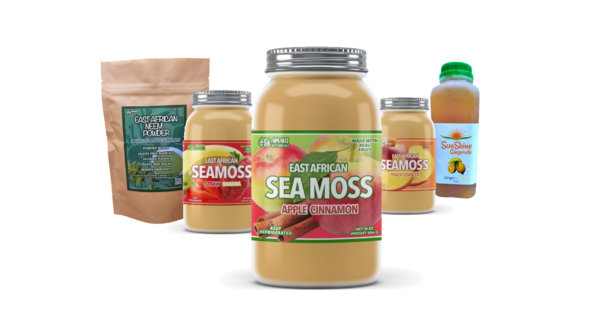
Sea Moss Gel — packed with 92 essential minerals from both the volcanic land and the Indian Ocean.
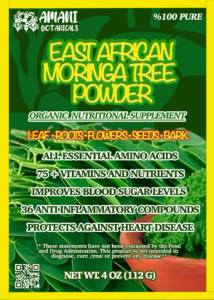
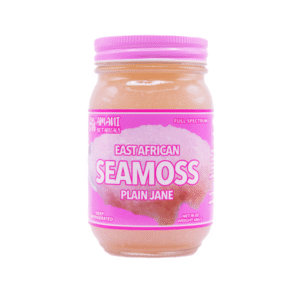
Herbs and fruits that capture the mineral power of Tanzania’s volcanic soil.
When grown in this environment, these botanicals develop deeper color, richer flavor, and stronger nutritional value — proof that great health starts from the ground up.
(🔗 Scientific reference: FAO – Volcanic Soils and Agriculture)
From Soil to Soul — The Health Connection
Eating foods from mineral-rich volcanic soil is like fueling your body directly from the Earth’s core.
-
Magnesium calms your nerves and muscles.
-
Iron boosts energy and blood flow.
-
Potassium helps your heart stay steady.
Together, they restore balance, strength, and peace — Amani in its purest form.
Many modern farms around the world have lost their minerals due to over-farming and chemical use. But Tanzania’s land still holds its ancient gift. Each harvest from this soil is a return to nature’s original blueprint for nutrition.
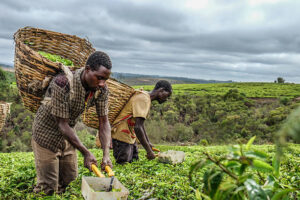
Generations of farmers still draw strength from the volcanic earth that feeds them.
Mount Meru & Kilimanjaro — Tanzania’s Living Legacy
These two volcanoes aren’t just mountains; they’re nature’s wellness factories. Every stream and root system that begins at their peaks carries trace minerals downhill — feeding the crops, forests, and even the coastal waters.
That’s right — even the sea moss grown off Zanzibar’s coast benefits from volcanic minerals washed down from the mainland. The same elements that nourish the land also enrich the ocean, creating the perfect synergy between land and sea.
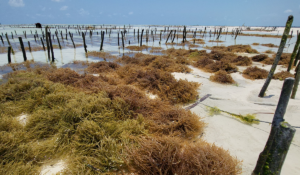
Locals say, “The mountain gives, and the ocean carries.” From the slopes to the shore, it’s all one living ecosystem.
The Amani Botanicals Connection
At Amani Botanicals, we celebrate this story of fire, soil, and renewal. Our herbs, sea moss, and fruit powders are sourced directly from Tanzania’s volcanic regions and coastal waters. Every jar, pouch, and scoop is filled with minerals that reconnect you to the Earth’s original balance.
When you choose Amani, you’re not just buying a product — you’re joining a tradition of natural wellness that began at the foot of ancient volcanoes.
Start your journey:
-
Explore → Shop All Products
-
Learn our origin story → About Amani
-
Partner or wholesale → Contact Us
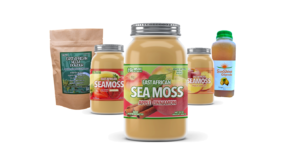
From the mountains to your body — nature’s minerals in every scoop.
Bringing It All Together
From fire to fertility, Tanzania’s volcanic soil is proof that nature always finds balance. Lava turned into life. Ash became nourishment. And the same mountains that once roared with fire now whisper peace through the herbs and fruits they grow.
Every spoon of moringa, every sip of sea moss, every taste of baobab is part of that legacy — minerals forged by the earth, carried by the land, and shared with the world.
From the mountains to your body, wellness begins with the soil.