Minerals 101: Why Your Body Needs Them More Than You Think.
In the ever-evolving world of health and wellness, there’s endless talk about vitamins, superfoods, and exercise plans. But one of the most overlooked yet vital building blocks of health is something far simpler: MINERALS. These tiny nutrients quietly keep your body running—from cell activity to hormone balance—yet they’re rarely discussed with the attention they deserve.
You may have heard the buzz that sea moss contains 92 of the 102 minerals your body needs. But what do these elements actually do? And why does your body crave them?
Let’s dive into the foundation of cellular nutrition with a crash course we call Minerals 101—your guide to understanding what these essential nutrients are, how they fuel your body, and how to naturally replenish them every day.
What Are Minerals, Really?
Minerals are inorganic substances that originate in the earth—unlike vitamins, which are made by plants or animals. These elemental nutrients enter our bodies through soil, rocks, water, and the food chain. Plants absorb them from the earth, animals eat the plants, and we absorb them by eating both.
Your body relies on these essential compounds in two major groups:
- Macronutrients: These include calcium, magnesium, potassium, sodium, and phosphorus—needed in larger quantities.
- Micronutrients: Needed in tiny amounts, but no less essential—think iron, zinc, iodine, selenium, and copper.
Even in minuscule doses, these nutrients have powerful impacts. They help drive the most vital systems in your body—like nerve signals, metabolism, and immune defense.

What They Actually Do Inside You
Whether you’re sleeping, working out, or simply breathing, these minerals are working behind the scenes. Here’s how:
- Produce energy inside cells (magnesium, iron, phosphorus)
- Regulate brain and nerve function (potassium, sodium)
- Strengthen bones and teeth (calcium, phosphorus)
- Balance hormones (zinc, iodine)
- Support immunity (copper, selenium)
- Help oxygenate your blood (iron)
- Heal tissues (zinc, manganese)
- Control blood sugar (magnesium, chromium)
Simply put: your body can’t function without them. As Healthline notes, even a slight deficiency can compromise your health.
The Concept of 102 Minerals
Holistic health advocates like Dr. Sebi have long promoted the idea that the human body needs 102 specific elements for optimal function. These include well-known substances like magnesium, potassium, and calcium, along with more obscure ones such as vanadium, rubidium, and bismuth.
Sea moss, particularly varieties sourced from regions like Zanzibar, offers an astounding 92 of these 102 elements. When paired with bladderwrack, burdock root, and amla, it becomes an even more comprehensive source.
Why Most People Are Deficient
Think you’re getting enough trace nutrients through diet alone? You may want to think again.
Here are four reasons modern life has quietly stripped away your stores:
- Soil depletion: Industrial farming practices have exhausted soil quality, leaving our produce with fewer elements than decades ago.
- Highly processed diets: These foods offer empty calories without real nutritional density.
- Environmental stress: Pollution, toxins, and daily stress raise your body’s demand for restorative compounds.
- Gut imbalances: If your digestion is off, you might not even absorb the nutrients from your food properly.
Symptoms of low nutrient intake include:
- Low energy
- Poor focus
- Weak nails or brittle hair
- Skin dryness
- Chronic fatigue
- Frequent colds or poor immune response
Sound familiar? If so, your body might be signaling a need to rebuild.
How to Restore Your Mineral Balance Naturally

Here’s how you can support your body with natural, absorbable nutrient sources:
1. Start With Sea Moss
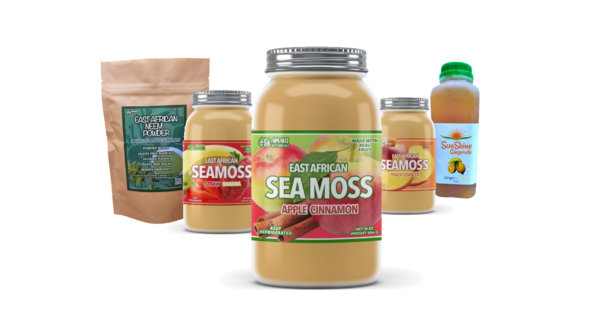
A powerhouse of bioavailable nutrients, sea moss comes in gel, powder, or capsule forms. It’s naturally rich in potassium, calcium, magnesium, and iodine—making it an easy daily ritual for cell support.
2. Add Complementary Herbs
Blend your sea moss with nutrient-rich herbs like:
- Burdock root: A gentle detoxifier rich in iron
- Amla: Boosts absorption with high vitamin C
- Moringa: Contains zinc, calcium, and 20+ nutrients
- Baobab: Supports digestion with prebiotics and calcium
These combinations enhance absorption and create a full-spectrum wellness boost.
3. Drink Herbal Teas That Replenish
Teas made from:
…not only hydrate, they restore delicate trace compounds back into your system.
4. Choose the Right Salt & Water
Refined table salt is stripped of natural content. Choose Himalayan pink salt or Celtic sea salt, which contain over 80 trace elements. And swap out distilled water for mineral-rich spring water.
5. Go Alkaline and Whole
Minimize acidic foods like sodas, fried items, and artificial sweeteners. Replace them with alkaline, whole foods that support better absorption and retention of nutrients.
Vitamins vs. Minerals: Which Matters More?
They both matter—but they don’t work in isolation.
In fact:
- Vitamin D needs magnesium to be effective
- B12 depends on iron to build red blood cells
- Vitamin E’s antioxidant power is enhanced by selenium
As Cleveland Clinic explains, vitamins depend on these lesser-known elements to do their job. That’s why you can’t overlook them.
Rebuild Your Body from the Inside Out
You are not just a collection of muscles and bones—you’re a living ecosystem. And these trace nutrients are the language your body speaks. If you’re feeling off, low energy, or just not yourself, the answer might not be more caffeine or another workout—it might be restoring your foundation.
Start with sea moss, pair it with herbal allies, drink infusions, and nourish your ecosystem.
🌿 Ready to Rebuild from Within?
Explore Amani Botanicals’ collection of sea moss, herbs, and wellness kits designed to help your body refuel, restore, and rise.
You’re not just feeding your body—you’re restoring its blueprint.
Stay rooted. Stay nourished. Stay thriving.
Sources:
- Healthline: What Are Essential Minerals?
- Cleveland Clinic: Trace Minerals Explained
- Dr. Sebi’s Nutritional Guide